Austria Travel Guide for 2026
This site may contain affiliate links. If you click through and make a purchase, I may earn a small commission at no extra cost to you. You can review the T&Cs for more information. Thank you for supporting the blog.
Austria might look small on the map, but once you start exploring, it quickly becomes clear just how much this country offers. From elegant historic cities and imperial palaces to alpine landscapes, crystal-clear lakes, and some of the best public transport in Europe, Austria is an incredibly rewarding destination, especially if you enjoy travelling independently.
Having lived in Austria since June and spending a lot of time travelling around the country, mainly by train thanks to the Klimaticket, but also by car when needed, I’ve come to appreciate just how easy and varied travelling here can be. Whether you want to wander through Vienna’s coffee houses, hike in Lower Austria at the weekend, explore Salzburg’s baroque Old Town, or spend summer days by alpine lakes, Austria delivers without feeling overwhelming.
This Austria travel guide is designed to help you plan your trip with confidence. It covers the best places to visit, the best time to go, what Austria is known for, how to get around, what to eat, and practical travel tips, all based on real experience of living and travelling here.
TL;DR: Austria at a Glance
If you’re short on time, here’s a quick overview.
- Best time to visit Austria: May to September for cities and nature, December for Christmas markets, winter for skiing
- Top cities: Vienna, Salzburg, Innsbruck, Graz
- Nature highlights: Austrian Alps, Wachau Valley, Salzkammergut, Schneeberg, Semmering
- Getting around: Excellent public transport, especially trains
- Solo travel friendly: Yes, very safe and easy
- Food to try: Wiener Schnitzel, Kaiserschmarrn, Austrian pastries
- Austria is known for: Alpine scenery, classical music, imperial history, winter sports, coffee house culture
Where Is Austria and Why Visit?
Austria is located in the heart of Central Europe, bordered by Germany, Switzerland, Italy, Slovenia, Hungary, Slovakia, and the Czech Republic. This central location has shaped Austria’s history, culture, and architecture, particularly during the Habsburg era, when Vienna was the centre of a vast empire.
Today, Austria offers an appealing mix of old-world elegance and outdoor adventure. One moment you can be walking through a UNESCO World Heritage Site in Vienna or Salzburg, and the next you can be hiking in the Austrian Alps or sitting by a lake surrounded by mountains.
What sets Austria apart from many other European destinations is how accessible everything feels. The distances are short, public transport works incredibly well, and even smaller towns are easy to reach by train. This makes Austria especially appealing for travellers who prefer not to rely on a car all the time.
Austria offers:
- Historic cities with well-preserved old towns
- Alpine landscapes without feeling remote
- Excellent infrastructure and public transport
- A high level of safety
- Clear seasonal variety, from summer hiking to winter sports
Best Time to Visit Austria
The best time to visit Austria depends heavily on what you want to do, as each season offers something completely different.
Spring (March to May)
Spring is a lovely time to visit Austrian cities. Temperatures start to rise, parks come back to life, and there are fewer tourists compared to summer.
This is a great season for:
- City breaks in Vienna, Graz, or Linz
- Coffee house hopping without crowds
- Early hikes at lower elevations
Higher alpine hiking is still limited in early spring due to snow, but Lower Austria offers many accessible walking trails.
Summer (June to September)
Summer is peak season in Austria, and for good reason. The weather is warm without being extreme, the lakes are perfect for swimming, and hiking season is in full swing.
I’ve visited Salzburg and Gmunden in summer, and both really shine during this season. The Salzkammergut region, in particular, is ideal for combining lakes, mountains, and charming towns.
Summer is perfect for:
- Outdoor activities and hiking
- Visiting alpine lakes
- Festivals, including the Salzburg Festival
- Scenic train journeys
Expect higher prices and more visitors, especially in popular places like Hallstatt.
Autumn (October to November)
Autumn is often overlooked, but it’s one of the most pleasant times to travel in Austria. The vineyards in the Wachau Valley are beautiful, forests turn golden, and cities feel calmer again.
This is a great time for:
- Wine regions and scenic walks
- Cultural city trips
- Budget-friendly travel
While I don’t drink wine, walking through the Wachau vineyards is still a highlight, especially in autumn.
Winter (December to February)
Winter transforms Austria into a completely different destination. Snow-covered landscapes, Christmas markets, and ski resorts dominate this season.
I’ve visited several Christmas markets and skied in Arlberg and Seefeld in Tirol, and winter in Austria is truly special.
Winter is ideal for:
- Christmas markets in Vienna, Salzburg, and smaller towns
- Skiing and winter sports
- Alpine scenery
If you’re not into skiing, December is still worth visiting for the festive atmosphere alone.
Top Places to Visit in Austria
Austria may be small, but the variety between its regions is impressive. Below are some of the most rewarding places to visit, based on both popularity and personal experience.
Vienna
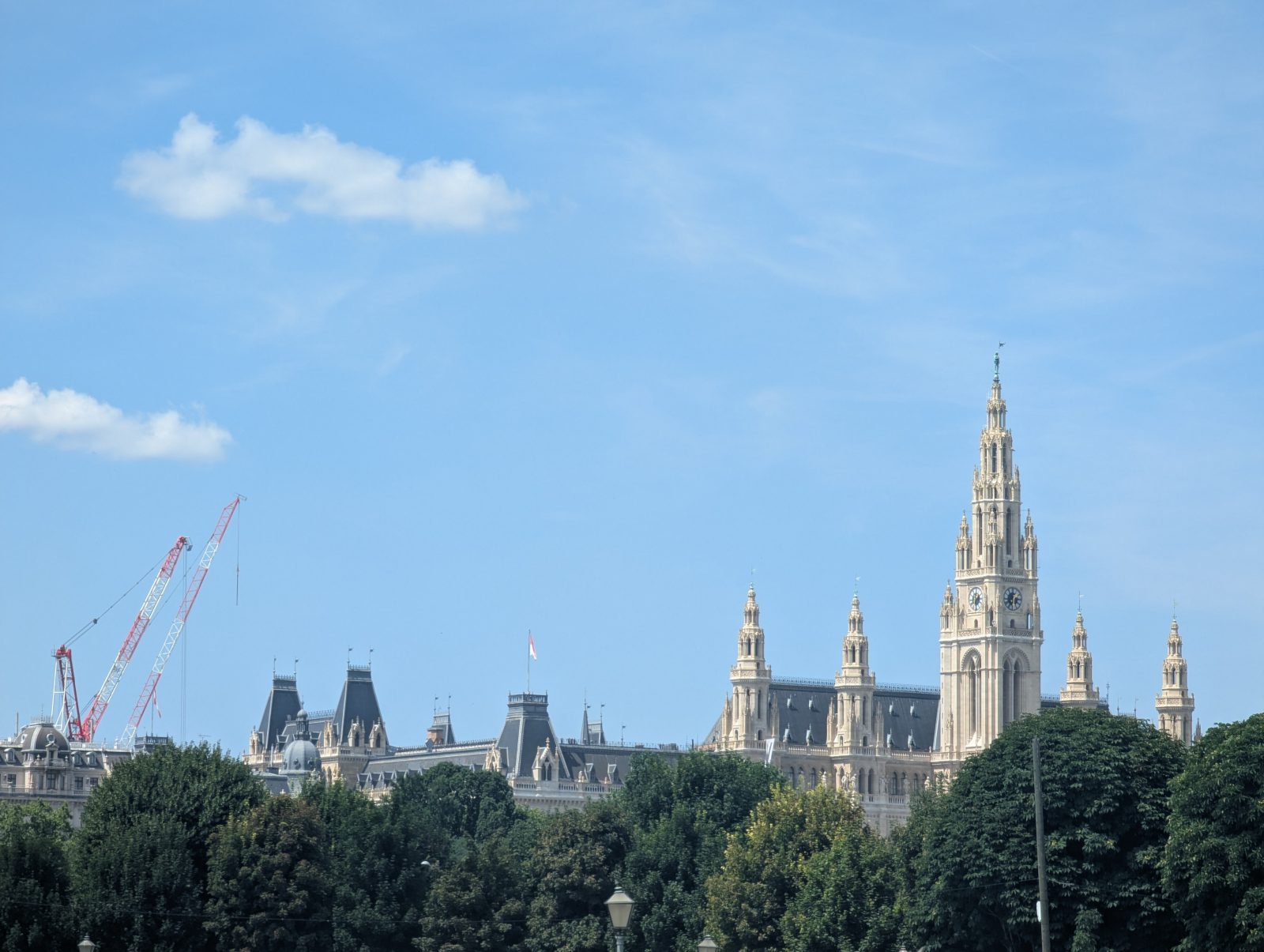
Vienna is Austria’s capital and largest city, and for many travellers, it’s the starting point of an Austria trip. I work in Vienna and spend a lot of time here, which has given me a good sense of the city beyond the main tourist attractions.
Vienna is known for:
- Imperial palaces like Schönbrunn and Hofburg
- Coffee house culture
- Classical music and opera
- Walkable historic districts
Vienna is an excellent city for solo travellers. It’s safe, well-lit, and easy to navigate. Public transport is efficient, and many attractions are close together.
Some highlights include:
- Schönbrunn Palace and gardens
- St Stephen’s Cathedral
- Museumsquartier
- Traditional coffee houses like Café Central
Vienna also works well as a base for day trips around Vienna, including Lower Austria and even a day trip to Bratislava.
Salzburg
The city of Salzburg is one of Austria’s most picturesque destinations. Its baroque Old Town, fortress, and alpine backdrop make it a favourite for many travellers.
Salzburg is known for:
- Mozart
- Baroque architecture
- The Sound of Music filming locations
- The Salzburg Festival
Despite its popularity, Salzburg is compact and easy to explore. I’ve visited Salzburg in both summer and winter, and it works well in every season.
Top attractions include:
- Hohensalzburg Fortress
- Mirabell Palace and Gardens
- Salzburg Cathedral
- Walking through the Old Town
Salzburg and Vienna are often combined in one trip, and the train connection between the two is fast and straightforward.
Innsbruck
Innsbruck is the capital of Tyrol and a gateway to the Austrian Alps. It’s one of the best places in Austria if you want to combine city life with mountain scenery.
Innsbruck offers:
- Easy access to alpine activities
- Winter sports close to the city
- Historic Old Town
If you enjoy skiing, hiking, or simply being surrounded by mountains, Innsbruck is an excellent choice.
Hallstatt and the Salzkammergut
Hallstatt is often described as one of the most beautiful villages in the world, but it’s also one of the most crowded. While it is undeniably picturesque, it’s important to manage expectations.
If you visit Hallstatt:
- Go early in the morning or off-season
- Consider staying nearby rather than in the village itself
The wider Salzkammergut region offers many equally beautiful alternatives, including Gmunden, which I visited in summer and thoroughly enjoyed.
Wachau Valley and Lower Austria
Lower Austria is often overlooked, but it’s one of my favourite regions, especially for weekend trips and hiking.
Places like:
- Wachau Valley
- Melk
- Krems an der Donau
- Tulln an der Donau
They are all easy to reach by train and offer a mix of culture, nature, and relaxed travel.
Melk Abbey, a baroque masterpiece overlooking the Danube, is a highlight and part of a UNESCO World Heritage Site.
The Wachau Valley is also known for its vineyards and scenic walking paths along the Danube.
Graz and Styria
Graz is Austria’s second-largest city and feels very different from Vienna. It’s more relaxed, with a strong student population and a growing food scene.
Styria, the region around Graz, is often called the green heart of Austria and is ideal for slow travel, hiking, and regional cuisine.
Things to Do in Austria
Austria offers a wide range of activities, whether you prefer culture, nature, or a bit of both.
Explore Historic Cities
Austria’s historic cities are well preserved and easy to explore on foot. Vienna, Salzburg, Graz, and Linz all have walkable centres with plenty of museums, cafés, and historic buildings.
Visit Palaces and UNESCO World Heritage Sites
Austria has several UNESCO World Heritage Sites, including:
- Historic Centre of Vienna
- Historic Centre of Salzburg
- Wachau Cultural Landscape
Palaces are everywhere, especially in Vienna, reflecting the country’s imperial past.
Enjoy Outdoor Activities
Austria is ideal for outdoor activities:
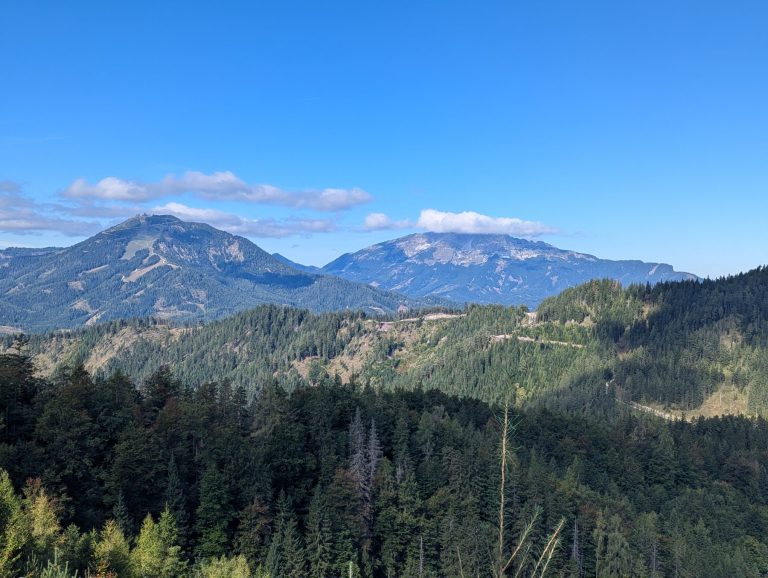
- Hiking in Lower Austria, Semmering, Schneeberg, and Pielachtal
- Swimming in alpine lakes
- Skiing in winter
One thing I’ve noticed is how many Austrians are out hiking at weekends. Trails are well-maintained and clearly marked.
Christmas Markets
Christmas markets are a big part of Austrian winter culture. Vienna, Salzburg, and even smaller towns offer festive markets with mulled wine, food, and crafts.
Austrian Food and Drink
Austrian food is hearty, comforting, and deeply rooted in tradition.
Classic Austrian Dishes
Some must-try dishes include:
- Wiener Schnitzel
- Kaiserschmarrn
- Tafelspitz
- Austrian pastries and cakes
Kaiserschmarrn and Wiener Schnitzel are personal favourites, and you’ll find them in many traditional restaurants.
Coffee House Culture
Vienna’s coffee houses are an institution. Sitting for hours with a coffee and a newspaper is normal here.
Café Central is one of my favourites, both for its atmosphere and history.
Austrian Wine
Even if you don’t drink wine, regions like the Wachau are still worth visiting for their landscapes alone. The vineyards and walking paths are beautiful, especially in autumn.
Getting Around Austria
Austria has one of the best public transport systems in Europe.
Trains and Public Transport
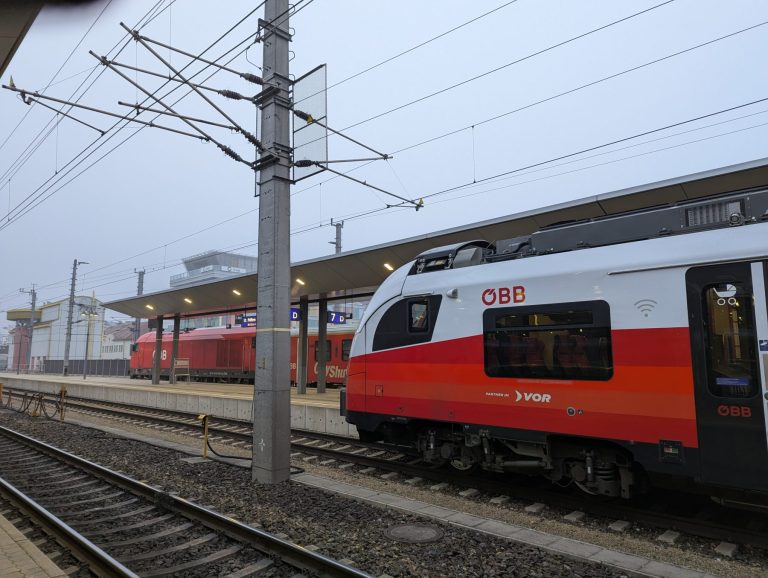
Trains are reliable, clean, and frequent. Thanks to the Klimaticket, travelling by train within Austria is incredibly convenient.
Even smaller towns are usually accessible by regional trains.
When to Use a Car
A car can be useful for:
- Remote hiking areas
- Flexible day trips
- Areas with limited connections
However, for most trips, trains are more than sufficient.
Vienna to Salzburg and Beyond
Popular routes like Vienna to Salzburg are well-connected and easy to book. Train travel is often faster and less stressful than driving.
Practical Austria Travel Tips
Safety and Solo Travel
Austria is very safe. I’ve never felt uncomfortable travelling alone, even in the evenings. Usual precautions apply, but overall it’s an excellent destination for solo travellers.
Costs and Budgeting
Austria is not the cheapest country, but it’s not outrageously expensive either.
Expect:
- Higher prices in Vienna and Salzburg
- More affordable options in smaller towns
- Good value for money when using public transport
Cultural Tips
Austrians value:
- Punctuality
- Quiet behaviour on public transport
- Politeness
Learning a few basic German phrases is appreciated, even though many people speak English.
Places to Stay in Austria
Austria offers a wide range of accommodation options:
- Hotels in cities
- Guesthouses in rural areas
- Apartments for longer stays
Booking in advance is recommended in peak season, especially in summer and winter.
Is Austria Worth Visiting in 2026?
Absolutely.
Austria continues to be one of the most rewarding destinations in Central Europe. With excellent public transport, beautiful landscapes, historic cities, and a strong sense of cultural identity, it offers something for almost every traveller.
If you enjoy:
- Easy travel logistics
- A mix of culture and nature
- Safe and well-organised destinations
Then, Austria is well worth visiting in 2026.
Austria Travel Guide – Final Thoughts
Austria may not always shout for attention, but that’s part of its charm. It rewards travellers who take their time, explore beyond the obvious highlights, and embrace both its imperial history and outdoor lifestyle.
Whether you’re planning your first visit or returning to explore more, Austria has a way of quietly impressing, one train ride, coffee house, and mountain view at a time.
FAQ — Austria Travel Guide
Do I need a visa to visit Austria?
Austria is in the Schengen Area. EU/EEA/Swiss citizens do not need a visa. Many nationalities can enter visa-free for short stays (usually up to 90 days in any 180-day period). Check the Austrian government or your local embassy for specific visa requirements and any recent changes.
What is the best time to visit Austria?
It depends on activities. Summer (June–September) is best for hiking, lakes and city sightseeing with mild weather. Winter (December–March) is ideal for skiing and winter sports in the Alps. Shoulder seasons (April–May, October–November) offer fewer crowds and lower prices but variable weather.
Which cities should I prioritise?
Top cities include Vienna for history, museums and music; Salzburg for baroque architecture and Mozart; Innsbruck for Alpine scenery and winter sports; Graz for student life and UNESCO sites; Hallstatt for classic lake-and-mountain views.
How do I get around Austria?
Public transport is excellent. Trains (ÖBB and regional operators) connect major cities and towns. Buses and local trams/subways serve urban areas. Renting a car is useful for remote alpine areas and flexibility, but consider winter road conditions and parking rules.
Is English widely spoken?
Yes – especially in cities, tourist areas and among younger people. German is the official language; learning basic German phrases is polite and useful in rural areas.
What currency is used, and can I pay by card?
Austria uses the euro (EUR). Credit and debit cards are widely accepted in cities, hotels and restaurants, but carry some cash for small shops, markets, rural areas and mountain huts.
Are ATMs widely available?
Yes. ATMs are common in towns and cities. Inform your bank of travel plans and check fees for foreign withdrawals.
What are typical tipping customs?
Tipping is appreciated but not mandatory. In restaurants, rounding up or leaving 5–10% for good service is common. For taxis, round up or add a few euros. Tip hotel porters and cleaners a couple of euros for help or daily service.
Is Austria safe for tourists?
Austria is generally very safe. Standard precautions against pickpocketing in crowded areas apply. In winter sports areas, follow mountain safety advice and local weather/warning notices.
What electrical plugs and voltage are used?
Austria uses Type C and F plugs and 230V/50Hz electricity. Bring adapters/converters if your devices use different plugs or voltages.
How do I handle health emergencies?
In an emergency, call 112 (EU-wide) or Austria’s local emergency services: 144 for medical emergencies, 133 for police, 122 for fire. Carry basic medications and know the location of nearby pharmacies (Apotheke).
Are there special rules for driving?
You need a valid driving license; EU licenses are accepted. Non-EU drivers may need an International Driving Permit. Motorways require a vignette (toll sticker). Winter tyres are mandatory in certain conditions; carry snow chains if driving in high alpine areas. Observe speed limits and strict drink-driving rules.
What should I pack for an alpine trip?
Pack layered clothing, a waterproof outer layer, sturdy hiking boots, sunscreen, sunglasses, and a reusable water bottle. In winter, pack thermal layers, an insulated jacket, gloves, a hat and appropriate ski gear or rent locally.
How can I save money while visiting?
Use city tourist cards (Vienna Card, Salzburg Card, etc.) for discounted attractions and transport. Book trains and accommodations in advance, use regional trains or buses, eat at markets or heurigers (wine taverns), and look for free museum days or combined attraction passes.
Are there cultural norms I should be aware of?
Austrians value punctuality and politeness. Greet with a handshake in formal settings. Respect quiet hours (usually around midday and after 10–11 pm) and follow local recycling rules. Dress modestly when visiting churches.
What are must-try foods and drinks?
Try Wiener Schnitzel, Tafelspitz, Sachertorte, Apfelstrudel, Kaiserschmarrn and regional cheeses. Sample local wines (especially Grüner Veltliner) and Austrian beers. Mountain huts often serve hearty local dishes.
How do I access hiking and alpine information?
Local tourist offices and alpine clubs (e.g., Austrian Alpine Club) provide trail maps, weather updates and safety advice. Check mountain hut opening times and routes’ difficulty before setting out. Consider hiring a guide for technical terrain or glaciers.
Where can I find more official information?
Consult Austria’s official tourism site, the Austrian embassy/consulate in your country, and transport operators (ÖBB) for up-to-date travel, visa and safety information.