Austria in Summer: Best Places to Visit
This site may contain affiliate links. If you click through and make a purchase, I may earn a small commission at no extra cost to you. You can review the T&Cs for more information. Thank you for supporting the blog.
Austria is often associated with winter sports, snow-covered villages, and cosy alpine huts, but summer in Austria tells a very different story. When the snow melts, the country opens up into a landscape of lakes, mountains, historic cities, and endless opportunities to be outdoors without the pressure of extreme heat or overwhelming crowds (at least if you plan well).
Austria in summer is about balance. You can spend one weekend hiking in the Alps, breathing cool mountain air, and the next wandering through baroque old towns, sitting in shaded cafés, or cruising along the Danube. It is a beautiful country that works particularly well if you enjoy variety, flexibility, and travelling at your own pace.
This guide covers the best places to visit in Austria in summer, from iconic cities like Vienna and Salzburg to lakeside towns, alpine regions, and scenic valleys. It is written with solo travellers in mind, especially those who enjoy sightseeing, nature, and independence without needing constant social interaction.
TL;DR: Austria in Summer at a Glance
- Best cities: Vienna (with planning), Salzburg, Innsbruck
- Best lakes and mountains: Zell am See, Salzkammergut, Tyrol
- Best for scenery: Austrian Alps, Dachstein Mountain Range, Danube Valley
- Best travel style: Day trips, slow travel, hiking weekends
- Best time to visit Austria: June to September, with July and August being the warmest
- Ideal trip length: 7 to 14 days, or multiple long weekends
Why Visit Austria in Summer?
Austria in summer offers something many European destinations struggle with: space. Even during peak season, it rarely feels chaotic once you leave the most famous city centres.
One of the main reasons to visit Austria during the summer is the combination of lakes and mountains. You can swim in clear alpine lakes in the morning and take a cable car up a mountain for panoramic views in the afternoon. Hiking trails are plentiful, well-marked, and accessible to different fitness levels.
For solo travellers, Austria feels easy. Public transport is reliable, day trips are straightforward, and it is common to see people hiking or travelling alone. You are rarely the odd one out, but you are also not forced into social situations.
Vienna: Grand Sights and Green Escapes
Vienna is one of Europe’s most impressive cities, filled with imperial architecture, museums, and historic landmarks. The old town is a UNESCO World Heritage Site, and attractions like Hofburg Palace, Schönbrunn Palace, and St Stephen’s Cathedral alone could fill several days.
That said, Vienna in summer can be hot. During heatwaves, the city feels intense, especially in the historic centre where shade is limited. Walking long distances between sights can quickly become exhausting.
What Makes Vienna Worth Visiting in Summer
- World-class museums and palaces
- A walkable old town with countless cafés
- Cultural events, open-air cinemas, and live music
- Easy day trips along the Danube
How to Enjoy Vienna When It’s Hot
- The key to enjoying Vienna during the summer is planning.
- Visit major sights early in the morning
- Take breaks in shaded parks or cafés
- Use public transport instead of walking everywhere
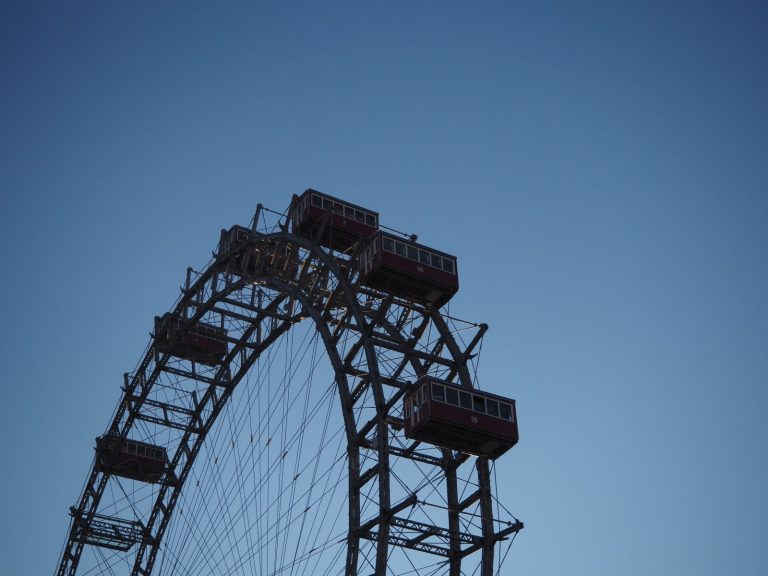
The Prater is a lifesaver in summer. This large green space offers shade, walking paths, and a much cooler atmosphere compared to the city centre. The Danube Island is another popular escape, especially during heatwaves.
Vienna works best as part of a mixed itinerary. A few days of city sightseeing followed by time in cooler alpine regions creates a much more comfortable summer holiday in Austria.
Salzburg: Baroque Beauty with an Alpine Backdrop
Salzburg feels like a city designed for summer. While it is popular year-round, it never feels as overwhelming as Vienna, and the surrounding scenery gives it a lighter, more relaxed atmosphere.
The old town of Salzburg is a UNESCO World Heritage Site and compact enough to explore on foot. Highlights include:
- Hohensalzburg Fortress
- Salzburg Cathedral
- Mirabell Palace and Gardens
Salzburg is famously linked to The Sound of Music, and while those sights exist, they do not dominate the city as much as people expect. It is easy to enjoy Salzburg without leaning into the film connection.
Why Salzburg Is Ideal in Summer
- Slightly cooler temperatures than Vienna
- Mountain views from almost everywhere
- Easy access to lakes and alpine scenery
- A strong outdoor café culture
Salzburg is also an excellent base for day trips. You can reach lakes, mountain towns, and hiking areas without needing a car, which makes it particularly appealing for solo travellers.
Innsbruck: The Alpine City Experience
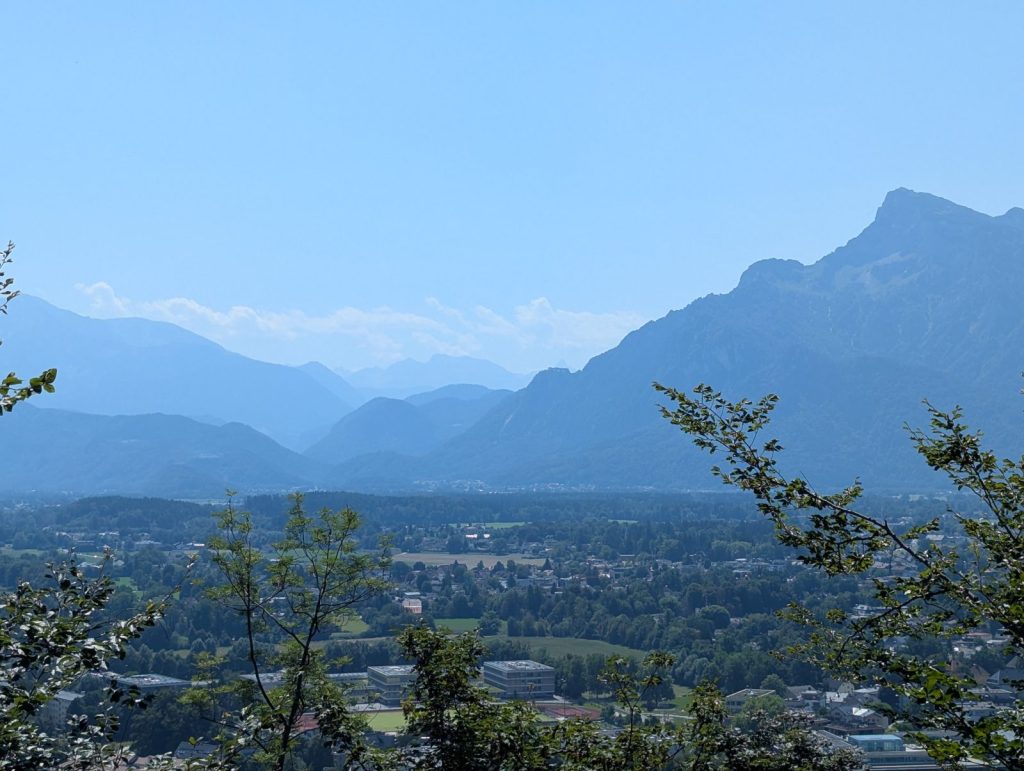
Innsbruck stands out as a true Alpine city. Few places allow you to go from a historic old town to high mountain scenery in minutes.
The city itself is charming and manageable in size. The colourful buildings of the old town, the Golden Roof, and the river Inn create a scenic setting without feeling overwhelming.
Nordkette and Mountain Views
The Nordkette cable car takes you directly from the city into the mountains. In summer, this is one of the most impressive experiences in Austria. The temperature drops noticeably as you ascend, and the panoramic views over Innsbruck and the surrounding Alps are unforgettable.
Innsbruck works well if you want:
- City comforts combined with mountain air
- Easy access to hiking trails
- Scenic viewpoints without long travel times
Zell am See: Lakes and Mountains in One Place
Zell am See is one of the best summer destinations in Austria if you want lakes and mountains without choosing between them.
The town sits directly on a clear alpine lake, with the Austrian Alps rising dramatically behind it. In summer, the atmosphere is relaxed but lively, with people swimming, walking along the lakeside, or heading up the mountains.
What to Do in Zell am See in Summer
- Swim or relax by the lake
- Walk or cycle along the lakeside paths
- Take the mountain railways for panoramic views
- Access nearby glaciers for cooler temperatures
Zell am See feels like a classic summer holiday destination, but it still works well for solo travellers. The town is compact, well organised, and easy to navigate without a car.
Tyrol: Alpine Landscapes, Villages, and Hiking Trails
Tyrol is synonymous with Alpine scenery. In summer, ski resorts transform into mountain resorts focused on hiking, mountain biking, and enjoying nature.
The region is ideal if your idea of a perfect summer holiday involves:
- Fresh mountain air
- Endless hiking trails
- Traditional alpine villages
- Quiet evenings after active days
Hiking in Tyrol
Hiking trails in Tyrol range from easy panoramic walks to challenging alpine routes. One of the biggest advantages is how well-maintained and clearly marked the paths are.
Even on weekends, when locals head out for hikes, it rarely feels crowded. You are not alone, but you are also not stuck in a constant stream of people, which makes it ideal for those who enjoy solitude without isolation.
The Dachstein Mountain Range: Dramatic Scenery and Cool Air
The Dachstein Mountain Range offers some of the most dramatic alpine landscapes in Austria. Known for its glaciers, panoramic viewpoints, and rugged terrain, this area is perfect during the hot summer months.
Cable cars and mountain railways make the region accessible even if you are not an experienced hiker. From the top, you are rewarded with breathtaking mountain views and noticeably cooler temperatures.
This area is especially appealing if you:
- Struggle with heat in cities
- Want high-altitude scenery without extreme hiking
- Enjoy dramatic alpine landscapes
The Danube Valley and Wachau: Scenic, Slow, and Idyllic
The Danube Valley, particularly the Wachau region, is one of Austria’s most scenic summer destinations. Vineyards, historic towns, and rolling hills line the river, creating a landscape that feels peaceful and timeless.
Best Ways to Experience the Danube in Summer
- Take a scenic Danube cruise
- Explore small towns like Melk and Dürnstein
- Walk or cycle along the river
A Danube cruise through the Wachau is especially enjoyable in summer. It offers shade, scenery, and a slower pace, which works well after busy city sightseeing.
Gmunden and Austria’s Lakes: Shaded Walks and Lakeside Towns
Austria’s lakes are at their best in summer, and towns like Gmunden in the Salzkammergut region show why.
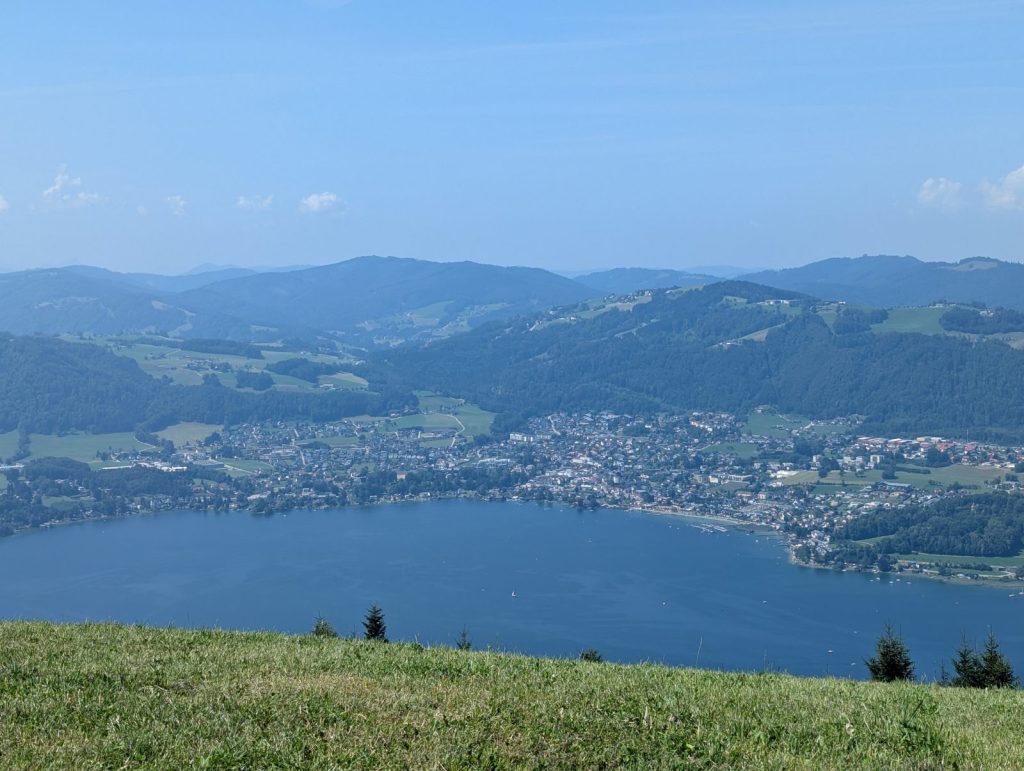
Gmunden sits on Lake Traunsee and feels refreshingly calm compared to more famous lake destinations. The surrounding hills and the Grünberg offer shade and cooler air, making it an excellent choice during hot weather.
Other lakes, including smaller ones near cities like St Pölten, are well used by locals but rarely feel overcrowded. They are practical, relaxed places to cool down without the pressure of a resort atmosphere.
How to Plan an Austria Summer Itinerary
Austria lends itself well to flexible itineraries.
7-Day Austria Summer Itinerary
- 2–3 days Vienna
- 2 days Salzburg
- 2 days lakes or mountains
10–14 Day Austria Itinerary
- Vienna and the Danube Valley
- Salzburg and nearby lakes
- Innsbruck or Tyrol
- Optional Zell am See or Dachstein region
Austria also works perfectly for repeated short trips. One weekend hiking, the next weekend exploring a city, without needing to rush.
Practical Tips for Visiting Austria in Summer
Best Time to Visit Austria
- June and September offer pleasant temperatures
- July and August are the warmest, especially in cities
Getting Around
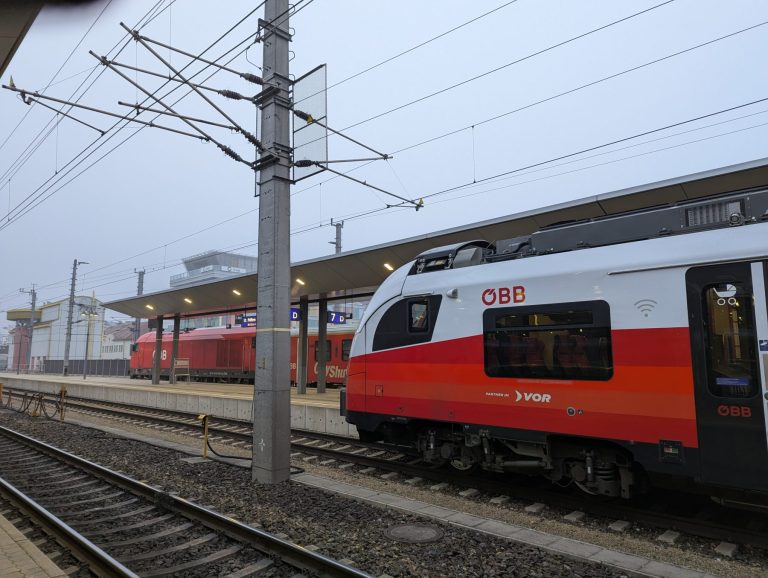
- Trains and buses are reliable and frequent
- Day trips are easy without a car
- Many mountain railways operate throughout the summer
What to Pack
- Light clothing for cities
- Layers for mountains
- Comfortable walking shoes
Is Austria Worth Visiting in Summer?
Absolutely. Austria in summer is diverse, scenic, and surprisingly relaxing. It offers a rare combination of culture, nature, and ease of travel that works particularly well for solo travellers.
Whether you prefer historic cities, alpine adventures, or lakeside relaxation, Austria delivers without demanding constant movement or social energy. With a bit of planning, it becomes an unforgettable summer destination.
FAQ – Austria in Summer: Best Cities
What are the best cities to visit in Austria in summer?
Top cities to visit in Austria in summer include Vienna, Salzburg, and Innsbruck, among others. Each offers unique summer experiences: Vienna for culture and parks, Salzburg for music and old town charm, and Innsbruck for mountain activities.
When is the best time in summer to visit these cities?
June to early September is ideal. June and early July are milder with fewer crowds; late July and August are the warmest and busiest. Early September offers pleasant weather and fading crowds, especially in mountain areas.
What weather should I expect in Austria in summer?
City temperatures typically range 20–30°C (68–86°F). Alpine areas are cooler, often 10–20°C (50–68°F) with colder nights. Expect occasional afternoon thunderstorms, especially in mountainous regions.
Which city is best for outdoor activities?
Innsbruck is best for hiking, mountain biking, and climbing. Hallstatt and the Salzkammergut lake region are ideal for swimming, boating, and scenic hikes. Bregenz offers watersports on Lake Constance and easy access to hiking trails.
Which city is best for culture and music?
Vienna and Salzburg lead in culture and music. Vienna hosts classical concerts, grand museums, and summer outdoor events. Salzburg is famous for the Salzburg Festival and historic music sites connected to Mozart.
Are these Austrian cities family-friendly in summer?
Yes. Vienna has parks, zoos, and child-friendly museums. Salzburg and Graz offer family tours and outdoor spaces. Mountain areas like Innsbruck provide easy cable cars and gentle hikes suitable for children.
How easy is travel between these cities?
Austria has an efficient rail and road network. Trains connect Vienna, Salzburg, Innsbruck, and Graz frequently. Regional trains and buses link smaller destinations like Hallstatt and Bregenz. Renting a car gives flexibility for the Alpine and lake areas.
What festivals or events take place in summer?
Key events: Salzburg Festival (classical music and theatre), Bregenz Festival (floating stage on Lake Constance), Vienna Film Festival and open-air concerts, and various regional folk and summer markets across Graz and Tyrol.
How much should I budget for a summer trip to these Austrian cities?
Budget varies: Vienna and Innsbruck tend to be pricier. Expect mid-range travellers to spend roughly €100–€200 per person per day (accommodation, meals, local transport). Saving options include staying in guesthouses, using regional trains, and eating at markets or heurigen (wine taverns).
What should I pack for Austria in summer?
Pack lightweight clothing for warm days, a waterproof jacket for showers, sturdy walking shoes for city cobbles and trails, layered clothing for cooler alpine evenings, sunscreen, and a reusable water bottle. If you plan on mountain excursions, include a light fleece and rain gear.
Is it safe to travel to these cities in summer?
Yes. Austria is generally very safe. Use normal precautions for pickpocketing in crowded tourist areas, follow mountain safety advice for hikes, and check local weather warnings for alpine conditions.