Austria Travel Guide 2025 – Everything You Need to Know
This site may contain affiliate links. If you click through and make a purchase, I may earn a small commission at no extra cost to you. You can review the T&Cs for more information. Thank you for supporting the blog.
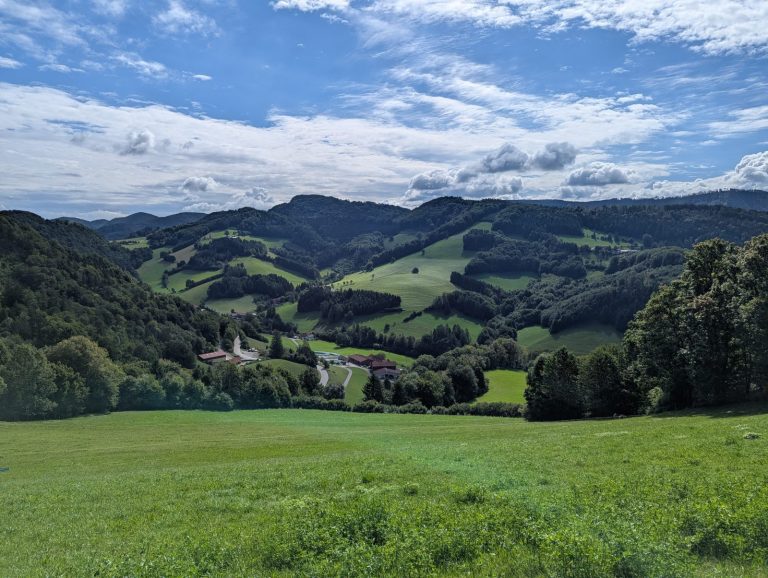
Travelling to Austria in 2025 means elegant cities, lakes that look like paintings, mountains on the horizon, and cafés where nobody rushes you away from your table.
If you’re an introverted solo traveller, it’s an especially gentle place to be: people are polite but not pushy, public transport actually works, and it’s perfectly normal to explore on your own.
This Austria travel guide walks you through when to visit, where to go, how to get around, what things roughly cost, and how the country feels for quieter travellers, so you can plan a trip that feels calm, not chaotic.
Why Visit Austria in 2025?
Austria sits in the heart of Europe, and in many ways it feels like a compact, manageable version of the continent:
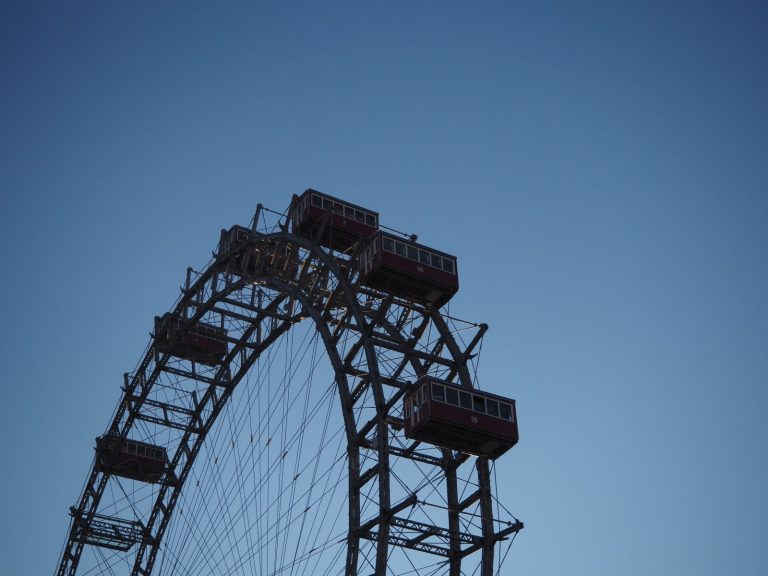
- Vienna offers imperial architecture, coffee houses and museums.
- Salzburg gives you pastel streets, fortress views and music history.
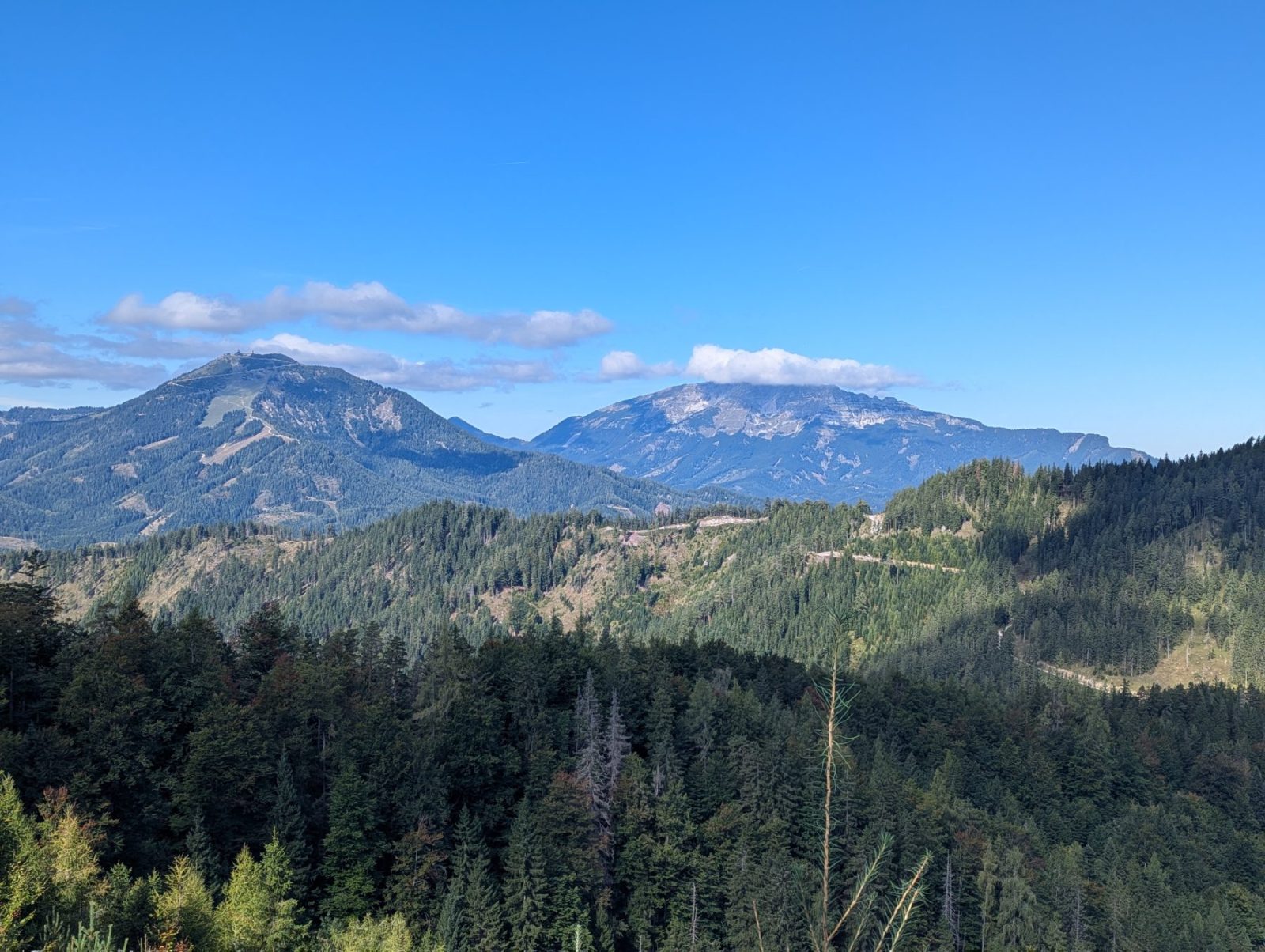
- Innsbruck and the Tyrol bring the mountains right up to the city.
- Lakeside regions like the Salzkammergut look like they’ve walked out of a postcard.
For introverts and solo travellers, Austria has a few big advantages:
- It’s generally very safe, including for women travelling alone.
- English is fairly widely spoken in cities and tourist areas.
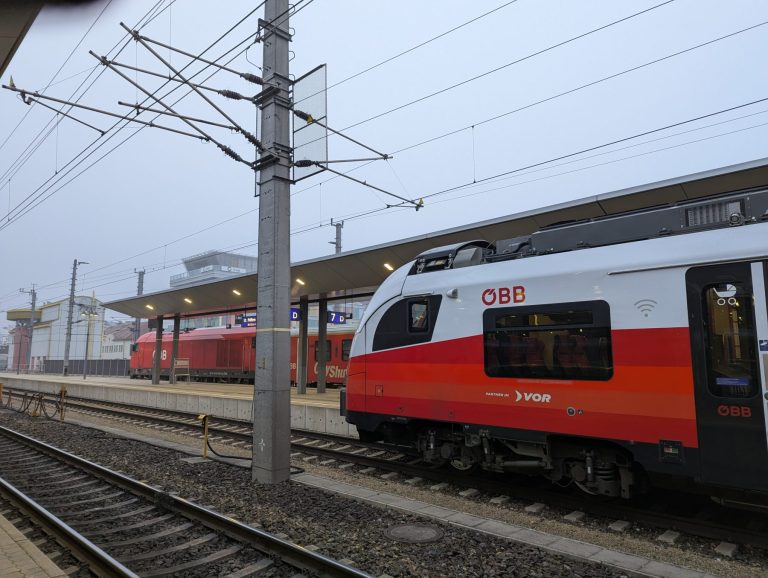
- The train network is excellent, which makes car-free travel realistic.
- You can shift between city days and quiet nature days without long, stressful journeys.
Best Time to Visit Austria
You can visit Austria all year round, but the type of trip you want will determine the best time.
Spring (April–June)
- Mild temperatures, blooming parks, and fewer crowds than in summer.
- Great for city breaks and the first hikes of the year.
Summer (July–August)
- Warm, often hot in cities, busy in popular areas like Hallstatt and some lakes.
- Ideal for lakes, mountain walks, and spending long evenings outside.
Autumn (September–October)
- Often the sweet spot: colourful leaves, still-pleasant weather, and slightly quieter cities.
- Lovely in wine regions and the lake districts, with misty mornings and golden afternoons.
Winter (November–March)
- Cosy cafés, Christmas markets, and excellent skiing and snowboarding.
- Cities can be cold and grey between the festive season and spring, but mountain areas are at their best.
If you prefer fewer people and calmer energy, late spring or early autumn are usually your safest bets.
Where to Go in Austria
Vienna
Austria’s capital is elegant, structured and surprisingly manageable for a big city.
Expect:
- Grand boulevards, baroque buildings, and museums for days
- Coffee houses where you can sit alone with a cake and a book for as long as you like
- Parks and the Danube Canal for gentle walks when you need air
Vienna is an excellent first stop or base if it’s your first time in Austria, especially if you’re nervous about solo travel.
Salzburg
Smaller than Vienna and framed by hills, Salzburg feels like a film set in the best way.
Think:
- Cobbled streets and baroque churches
- The fortress watching over the city
- Musical history is everywhere you turn
You can happily wander on your own, take the funicular up to the fortress, or slip into a café when you need a break.
Innsbruck & the Tyrol
If you want mountain views without staying in a tiny village, Innsbruck is ideal.
You get:
- A compact old town
- Cable cars and funiculars that whisk you up into the mountains
- Easy access to nearby Alpine towns and hiking routes
It’s a great base if you like city comforts but want to be in the mountains within an hour.
Hallstatt & the Salzkammergut Lakes
For lake-and-mountain scenery, Hallstatt is the famous one, but it’s also very busy.
Consider including:
- Hallstatt for the “I’ve really been here” moment
- Nearby lakes and towns in the Salzkammergut (like Gmunden, Traunkirchen, or Bad Ischl) for a calmer atmosphere and fewer crowds
These are places where you can simply walk along the water, sit on a bench, and let your brain slow down.
Wachau Valley and Small Towns
West of Vienna, the Wachau Valley along the Danube is full of vineyards, small towns and monasteries.
Good stops:
- Melk with its famous abbey
- Krems and the smaller wine villages between Melk and Krems
You can visit as a day trip from Vienna or spend a few nights for a slower, more local experience.
Getting Around Austria
You don’t need a car to explore Austria, especially if you’re sticking to cities and well-visited regions.
Trains
- Trains link major cities like Vienna, Salzburg, Innsbruck, Graz, Linz and many smaller towns.
- Journeys are usually comfortable and straightforward, with clear signage.
- Booking in advance can often save you money on longer routes.
If you’re planning a longer stay with lots of rail travel, have a look at the Klimaticket Austria, a climate ticket that gives you unlimited public transport across the country for a set period. I’ve written a separate, in-depth post about how it works and who it’s worth it for.
Local Transport
Within cities and towns, you’ll usually find:
- Trams and buses
- U-Bahn (underground) in Vienna
- Clear ticket machines and increasingly common app-based tickets
Public transport is normal for everyone to use, office workers, students, and families, which makes it feel safe and familiar, even when you’re on your own.
Is Austria Safe for Solo Travellers?
In short: yes, Austria is generally very safe for solo travellers, including solo women.
Typical common-sense tips still apply:
- Keep your bag zipped and close to you in crowded places.
- Avoid very quiet, unlit areas at night, especially in big cities.
- Watch your drinks and belongings if you go out in the evening.
But overall, Austria has a relatively low crime rate and a calm feel. Many solo travellers find they can relax more here than in some other European countries.
Budget Basics – What to Expect
Austria isn’t the cheapest country in Europe, but it doesn’t have to be ruinously expensive either.
You can usually expect:
- Accommodation – ranges from budget hostels and simple guesthouses to mid-range hotels and apartments.
- Food – supermarket lunches and bakery snacks are affordable; restaurant meals add up more quickly.
- Transport – local tickets are reasonable; long-distance trains can vary depending on how early you book.
Accommodation for Solo Travellers
If you know you recharge alone, it’s worth choosing accommodation that supports that.
Consider:
- Small guesthouses or pensions are often quieter and more personal.
- Apartments are great if you like cooking for yourself and having your own space.
- Hostels with private rooms are good for budget-conscious travellers who still want privacy.
Check reviews for words like “quiet”, “safe area”, “clean”, and “close to public transport”.
A Simple Austria Itinerary
Here’s a gentle one- to two-week structure you can adapt:
Start: Days 1–4: Vienna
- Explore the historic centre and Schönbrunn Palace
- Spend time in coffee houses reading or journaling
- Take a half-day trip to the Vienna Woods or a nearby town
Middle: Days 5–7: Salzburg & Surroundings
- Wander the old town, visit the fortress
- Take a short hike to a viewpoint
- Optional: day trip to a nearby lake
End: Days 8–10: Lakes & Wachau
- Stay by a lake in the Salzkammergut for slow days and scenic walks
- Add a day in the Wachau Valley or a stop in Melk/Krems on the way back
Adjust up or down depending on how fast you like to travel and how much downtime you need.
Final Thoughts – Austria in 2025 for Solo Travellers
Whether you’re drinking coffee in a Vienna café, watching the light move across a lake, or sitting on a train with mountains outside the window, Austria is very good at giving you space to think, to breathe, to simply be.
If you’re planning your 2025 trip and you’re worried that solo travel might be too loud, too hectic, or too social, Austria is a reassuring choice: beautiful, structured, and kind to solo travellers.