The Perfect 10-Day Austria Itinerary for First-Time Visitors (A Solo Traveller’s Guide)
This site may contain affiliate links. If you click through and make a purchase, I may earn a small commission at no extra cost to you. You can review the T&Cs for more information. Thank you for supporting the blog.
If you’re looking for an Austria itinerary for first-time visitors, then you’re in the right place.
Austria is one of the best countries in Europe for first-time visitors, especially if you’re travelling solo. It’s safe, compact, incredibly easy to get around by train, and full of stunning landscapes and charming cities that are simple to explore on your own. Whether you love imperial architecture, mountain views, or a good coffee-and-cake break, Austria delivers all of that without requiring long travel days.
I live in Austria and have travelled extensively through the country, from Vienna and Salzburg to the Wachau Valley, Semmering, and the highest mountain in Lower Austria, the Schneeberg. No matter the season, I always find Austria a welcoming and comfortable place to explore. You don’t need a car, and you certainly don’t need company — this is a destination solo travellers genuinely enjoy.
This 10-day Austria itinerary is designed with all of that in mind. It’s full of beautiful places, easy travel connections, realistic timing, and options that let you keep your days relaxing rather than exhausting. It includes iconic cities, UNESCO World Heritage sites, and even a mountain day trip you can reach from Vienna without needing a car.
TL;DR – 10-Day Austria Itinerary
Day 1: Arrive in Vienna & evening stroll
Day 2: Vienna Old Town & café culture
Day 3: Schönbrunn Palace & gardens
Day 4: Day trip to the Wachau Valley (Melk & Danube)
Day 5: Train from Vienna to Salzburg & evening in the Old Town
Day 6: Salzburg Old Town, Salzburg Cathedral & Hohensalzburg Fortress
Day 7: Day trip to Berchtesgaden or a lake in the Salzkammergut
Day 8: Slow morning in Salzburg & scenic train back to Vienna
Day 9: Mountain day trip to Schneeberg or Semmering
Day 10: Final morning in Vienna & departure
This itinerary is perfect for first-timers, easy to follow, and suitable year-round.
Austria at a Glance – What First-Time Visitors Should Know
Why Choose Austria for Your First European Trip?
Austria is a fantastic starting point for anyone visiting Europe for the first time. The country is clean, efficient, calm, and packed with sights that are easy to access, which reduces the stress of planning. The train system is excellent, the tourist infrastructure is strong, and distances are short. You can go from imperial palaces to mountains to medieval abbeys without travelling far.
It’s also a country that shines throughout the year. Spring brings blooming parks and green valleys; summer is ideal for lakes, Danube cruises and longer days; autumn is full of vineyards and colourful foliage; and winter brings Christmas markets and snow-covered scenery.
Is Austria Safe for Solo Travellers?
In my experience, Austria is one of the safest countries to travel solo. I’ve never felt unsafe in Vienna, Salzburg, or any of the smaller destinations nearby. Public transport runs smoothly, streets are well-lit, and locals are used to tourists eating alone, walking alone, and exploring at their own pace. It’s perfectly normal to dine solo or spend hours in a café reading or planning your next stop.
As with any destination, the usual precautions apply, but Austria is consistently comfortable for solo travellers.
Getting Around Austria – Why Trains Are Your Best Option
Austria’s train network is excellent. Vienna, Salzburg, and the Wachau Valley are all connected by reliable, frequent trains, and most journeys are scenic and easy to manage.
Two train services you’ll use often are:
- ÖBB – Austria’s national railway, excellent for long-distance trains
- Westbahn – a private company that also runs between Vienna and Salzburg
Both have user-friendly apps where you can buy digital tickets.
Renting a car is not necessary for this itinerary. The only time it becomes useful is if you’re heading deep into alpine areas or want to drive the Grossglockner High Alpine Road, but that’s optional and not required for first-time visitors.
Useful Cards and Passes
The following can help depending on your day plans:
- Salzburg Card – very useful for including the funicular, museums, and public transport
- NÖ-Card (Lower Austria Card) – useful for attractions around Vienna, including some mountain and regional sights. It costs 85 Euros, so you have to do the maths whether it’s worth it or not.
You certainly don’t need all the cards, but having one for the day you plan to sightsee a lot can save you money and time.
Best Time to Visit Austria
Austria is beautiful in every season:
- Spring (March–May): Mild weather, blooming parks, fewer crowds
- Summer (June–August): Long days, perfect for the Wachau, lakes and hiking
- Autumn (September–October): Vineyards, cooler temperatures, golden landscapes
- Winter (November–February): Christmas markets, cosy cafés, snowy mountains
This itinerary works year-round, though in winter you might swap the Danube cruise for more museums.
Where to Stay in Austria for This Itinerary
Best Areas in Vienna
- Innere Stadt (1st district): Historic centre, very convenient, but pricier.
- Leopoldstadt (2nd district): Quiet, safe, near the city centre and close to the Danube Canal.
- Neubau (7th district): Trendy, good cafés, still walkable to the main sights.
Best Areas in Salzburg
- Old Town (Altstadt): Most atmospheric, full of charm and history.
- Near the train station: Very convenient for day trips, still walkable to most sights.
Day 1 – Arrival in Vienna & Evening Stroll
Your Austria itinerary begins in Vienna, the capital and cultural heart of the country. Whether you arrive by plane or train, make your way to your accommodation, settle in, and take your first gentle walk around the city.
How to Reach Vienna’s City Centre
From Vienna Airport, you can choose:
- Railjet (ÖBB): Fastest and easiest, goes to Wien Hauptbahnhof
- S-Bahn (S7): Cheapest option, slightly slower
- Airport bus: Convenient for some routes
Once you’re checked in, head out for your first taste of Vienna.
Suggested Light Evening Walk
A simple walking route to ease into the city:
- Stephansdom (St Stephen’s Cathedral)
- Graben – one of Vienna’s most elegant pedestrian streets
- Hofburg Palace exterior – impressive at night
- Ringstraße – Vienna’s grand boulevard
Stop for dinner anywhere that looks appealing — you’ll find everything from traditional Austrian food to modern cafés. Dining alone is normal, and most restaurants have small tables that are perfect for solo travellers.
Day 2 – Vienna Old Town, Stephansdom & Classic Café Culture
Today is all about Vienna’s historic centre and its iconic café culture.
Morning – Stephansdom & the Old Town
Start your morning at St Stephen’s Cathedral, the Gothic heart of Vienna. You can visit the inside freely and, if you’re up for it, climb the tower for an incredible view of the city.
Wander through the narrow streets surrounding the cathedral. You’ll find elegant buildings, hidden courtyards, and beautiful shops everywhere you go.
Hofburg Quarter & Museums
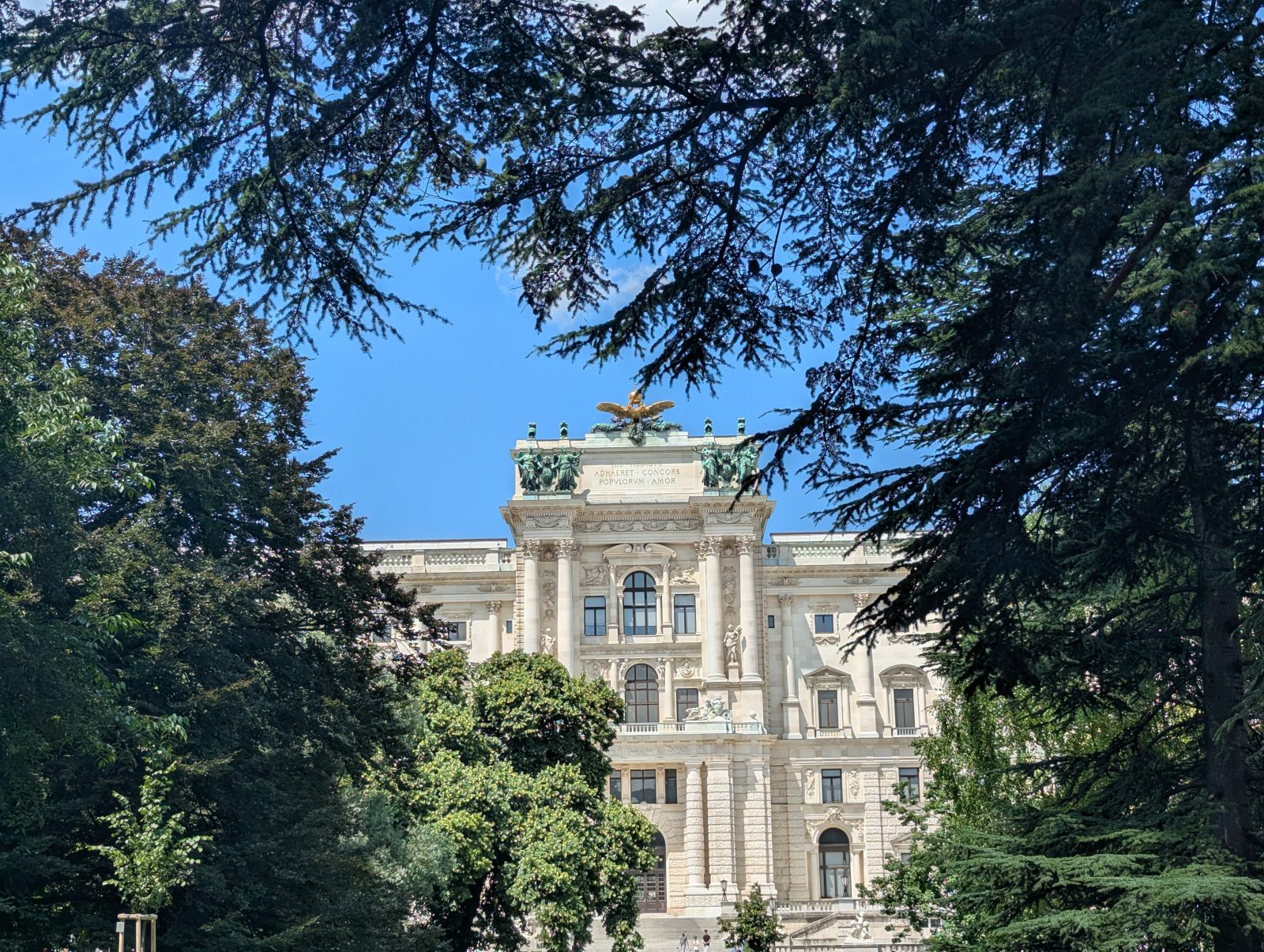
From the cathedral, it’s a short walk to the Hofburg Palace, the former seat of the Habsburg monarchy. You can spend hours inside the museums if you wish, but for a first-time itinerary, even walking the outside courtyards gives you a good sense of its grandeur.
Viennese Café Culture
One of the highlights of visiting Vienna is spending time in its traditional cafés. You’re encouraged to linger. This isn’t a place where anyone rushes you along.
Order a Melange (Viennese coffee with milk), Sachertorte or Apfelstrudel, and enjoy the atmosphere. Bring a book, plan your next day, or simply people-watch.
Afternoon Options
Depending on your interests:
- Visit the MuseumsQuartier, home to several major museums
- Visit Belvedere Palace (if you want to see Klimt’s The Kiss)
- Stroll the Danube Canal for a more modern part of Vienna
However you spend it, keep the day relaxed. Vienna rewards slow exploration.
Day 3 – Schönbrunn Palace & Gardens
Today is dedicated to one of Vienna’s most impressive sights: Schönbrunn Palace.
Getting to Schönbrunn
The palace is easy to reach by metro (U4 line). Once you arrive, you’ll immediately see the vast palace grounds stretching in front of you.
Touring the Palace
The palace interior is beautiful and rich in history. Booking a timed ticket in advance helps avoid long queues, especially in summer.
You’ll walk through ornately decorated rooms that belonged to emperors and empresses, including the famous Empress Elisabeth (Sisi).
Gardens & the Gloriette
Even if you don’t want to visit the interior, the gardens are spectacular and free to explore. Make sure to walk up to the Gloriette, a large structure on the hill above the palace. The view over Vienna is wonderful.
Optional Afternoon Activities
- More palace gardens (they are extensive)
- Visit the zoo if you enjoy that
- Head back to the city centre for another museum or café break
Schönbrunn is large, so allow yourself plenty of time without feeling rushed.
Day 4 – Day Trip to the Wachau Valley (Melk & the Danube)
The Wachau Valley is a UNESCO World Heritage landscape full of vineyards, medieval towns, and sweeping river views. It’s one of the best day trips from Vienna.
I’ve been to Melk recently, and I was genuinely impressed by how beautiful and walkable the town is. It’s a perfect place for a relaxed but culture-filled day.
How to Get to Melk
Frequent trains leave from Vienna and take about an hour. Once you arrive, it’s a short walk into the town centre.
Melk Abbey – A Baroque Masterpiece
The highlight is Melk Abbey, a huge and stunning baroque monastery overlooking the Danube. Inside, you’ll find:
- A beautiful church
- A museum
- Ornate ceilings
- Panoramic views over the Wachau
The abbey is impressive inside and out, and the walk through the grounds is worth taking your time with.
The Town of Melk
Melk has a charming old town full of cafés and small shops. If you visit in July, you may even find stalls selling local apricots (Marille), a regional speciality.
You can stroll down to the Danube for river views or simply enjoy the peaceful atmosphere.
Optional Add-On: Danube Boat Ride to Dürnstein
From Melk, you can take a seasonal Danube cruise to Dürnstein, another pretty town known for its castle ruin and narrow lanes. This creates a perfect full-day outing before returning to Vienna by train.
Day 5 – Train from Vienna to Salzburg & Evening Walk
Today you leave Vienna and head to Salzburg. The journey is straightforward and scenic.
Train Ride from Vienna to Salzburg
Trains run regularly and take about 2½ hours. Both ÖBB and Westbahn operate this connection. It’s one of the easiest intercity routes in Austria.
Bring snacks, download a playlist, and enjoy the scenery of Lower Austria and the foothills of the Alps.
First Evening in Salzburg
Once you arrive, drop your luggage and head for a gentle walk:
- Mirabell Gardens
- Across the river to the Old Town
- Evening views of the fortress above the city
Salzburg is compact, so wandering is the best way to get to know it.
Day 6 – Salzburg Old Town, Cathedral & Hohensalzburg Fortress
Today, you explore Salzburg properly. The birthplace of Mozart and a UNESCO World Heritage site.
Morning – Salzburg’s Old Town
Start with:
- Salzburg Cathedral
- Residenzplatz
- Mozart’s birthplace (exterior or interior, depending on your interest)
The old town is full of baroque buildings, narrow lanes and charming squares. Take your time and enjoy wandering around.
Take the Funicular to Hohensalzburg Fortress
One of Salzburg’s highlights is Hohensalzburg Fortress, perched high above the city.
Take the funicular up. It’s quick, easy, and far more pleasant than walking the steep path. At the top, you’ll find:
- A courtyard
- Fortress museum
- Spectacular views of the entire city and surrounding mountains
This is one of the best vantage points in Austria for first-timers.
Afternoon Options
Depending on your energy:
- Additional sightseeing in the old town
- A Sound of Music–related activity (the film was partly shot in Salzburg)
- A slow café break to recharge
Salzburg is a city where you don’t need an exhaustive list. Simply wandering often feels like the best use of your time.
Day 7 – Day Trip from Salzburg: Berchtesgaden or Salzkammergut
Salzburg is ideally placed for several beautiful day trips. Two of the best are:
Option 1: Berchtesgaden & Königssee
Across the border in Germany, Berchtesgaden is a short journey from Salzburg. Its main attraction is Königssee, an emerald-green lake surrounded by dramatic mountains. You can take a scenic boat ride and enjoy gentle walks along the lake.
The scenery here is spectacular, and even though you’re briefly leaving Austria, it fits perfectly within a Salzburg-based itinerary.
Option 2: Salzkammergut Lakes (e.g., Hallstatt or St Gilgen)
The Salzkammergut region is full of lakes and picturesque towns. While Hallstatt is the most famous and often crowded, other lakes nearby offer beautiful scenery with fewer people.
For a relaxing day, choose:
- St Gilgen
- St Wolfgang
- Fuschlsee
All are reachable by bus or train and offer a refreshing change of pace.
Day 8 – Slow Morning in Salzburg & Scenic Train Back to Vienna
Your time in Salzburg ends with a relaxed morning. Visit a café, stroll through the old town once more, or simply enjoy the river views.
Train Back to Vienna
Take an afternoon train back to Vienna. The journey is comfortable, and it gives you time to unwind after a few active days of sightseeing. Prepare for your final mountain day tomorrow.
Day 9 – Easy Mountain Day Trip from Vienna: Schneeberg or Semmering
One of the best things about visiting Austria is how close the mountains are, even from the capital.
You don’t need a car, and you don’t need to be a hiker; both Schneeberg and Semmering offer easy access to views, calm surroundings, and fresh air.
I’ve visited both, and they’re wonderful options when you want alpine scenery without travelling deep into Tyrol or Salzburg’s Alpine valleys.
Option 1: Schneeberg with the Salamander Train
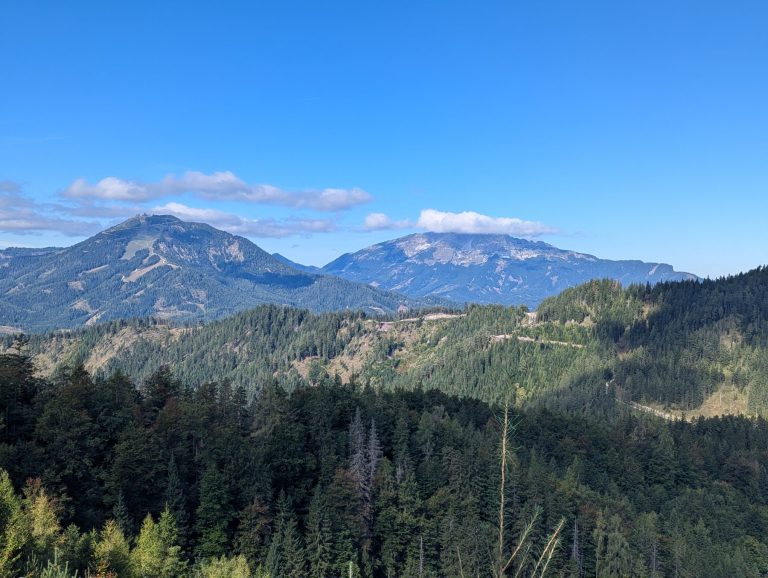
Schneeberg is the highest mountain in Lower Austria. You can reach the base by train from Vienna, then take the Salamander cog railway up the mountain.
The ride itself is an experience: the views open up quickly, and the landscape becomes more and more alpine the higher you go.
At the top:
- Walk a little for stunning panoramas
- Visit a mountain hut
- Enjoy the peace and quiet
On a clear day, you can see far across Lower Austria.
Option 2: Semmering Railway & Viewpoints
The Semmering Railway is a historic UNESCO-listed railway line. One of the oldest mountain railways in the world. It winds through beautiful scenery, and the area around Semmering offers easy walking paths and viewpoints.
The journey is relaxing and ideal for solo travellers who enjoy spending time in nature without needing strenuous hikes.
However, you can also take the normal ÖBB railway line. It’s cheaper, and there are more options to choose from.
Both destinations are straightforward to reach and give you a refreshing break from city sightseeing.
Day 10 – Final Morning in Vienna & Departure
On your last day, enjoy a slow breakfast in Vienna. Have one final coffee, take a walk through the city streets or pick up a small souvenir.
When you’re ready, make your way to the airport or train station for your onward journey.
Austria Travel Tips for Solo Travellers
Booking Trains & Transport
- Use the ÖBB or Westbahn apps
- Seats are optional but helpful at busy times
- Download tickets to your phone
Packing Tips
Austria’s weather can change quickly, so pack:
- Layers
- A lightweight rain jacket
- Comfortable walking shoes
- Noise-cancelling headphones for train rides
- A reusable water bottle
Food & Eating Alone
Austria is very solo-travel friendly when it comes to dining. Cafés are ideal for relaxed meals, and restaurants are used to solo diners. You can also find great takeaway options, bakery lunches, or simple meals in local eateries if you prefer a quieter evening.
Budget Overview
Austria is mid-range to slightly high in price compared with other European countries. You can keep costs reasonable by:
- Staying outside the most central districts
- Eating lunch menus or bakery meals
- Using trains rather than taxis
- Choosing sightseeing days that group experiences together (e.g., using the Salzburg Card when you want to visit several paid attractions)
7-Day and 14-Day Itinerary Variations
If You Only Have 7 Days
You can shorten this itinerary by doing:
- 3 days Vienna
- 1 day Wachau
- 3 days Salzburg (including a day trip)
Skip the mountain day if you’re short on time.
If You Have 14+ Days
Add:
- More lake towns in the Salzkammergut
- Graz (Austria’s second-largest city)
- Innsbruck, if you want more alpine scenery
- Großglockner High Alpine Road (best with a car or organised trip)
Recap – 10-Day Austria Itinerary for First-Time Visitors
Austria is one of the easiest, most enjoyable, and safest countries for a first-time European trip, and one of the best destinations for solo travellers. You can experience a huge variety of landscapes and cultural highlights in a short amount of time without feeling rushed or overwhelmed.
From Vienna’s imperial palaces to Salzburg’s baroque old town, from Danube valley vineyards to mountain panoramas just outside the capital, Austria is a country that surprises you at every turn. And because everything is so well connected, you never have to travel far to discover something beautiful.
I hope this 10-day Austria itinerary helps you plan a smooth, inspiring trip and gives you the confidence to explore the country at your own pace.